
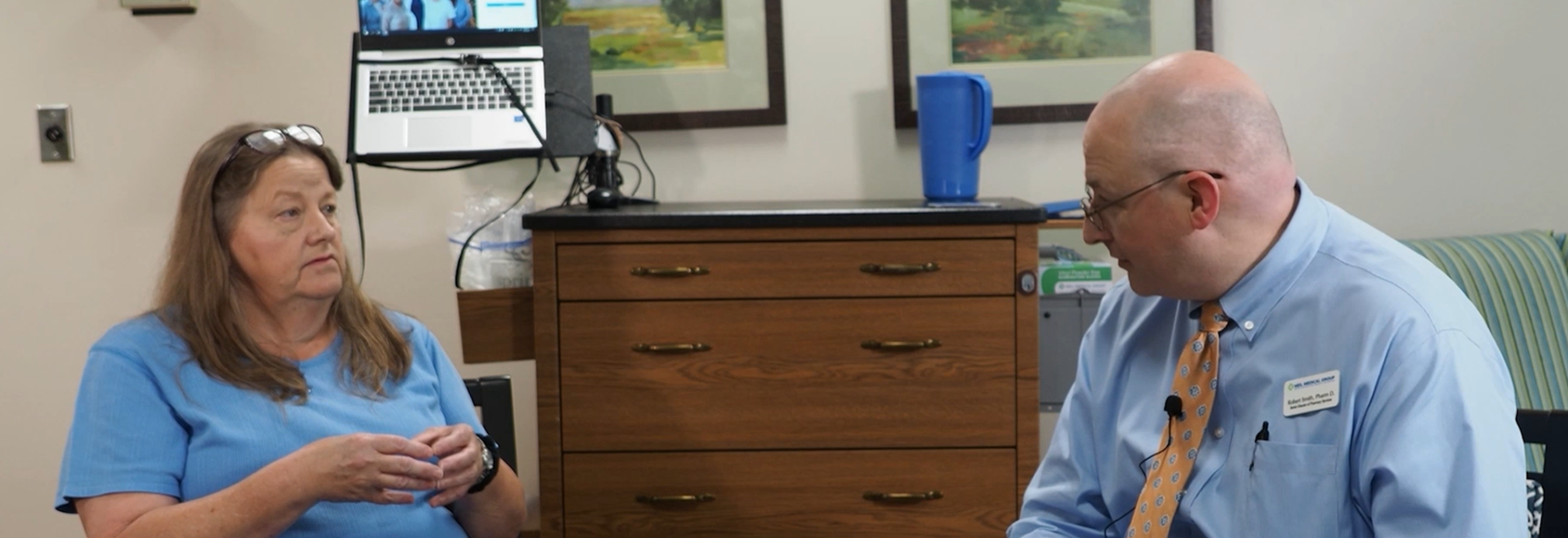
When a pharmacy introduces strip pouch compliance packaging, one of the biggest hurdles isn’t the equipment. It’s the people on the other end of it. Nurses and caregivers at long-term care facilities are the ones doing medication passes every day, and their acceptance — or resistance — can make or break a pharmacy’s ability to retain and grow LTC accounts. We set out to understand what that experience actually looks like, from the people living it.
In partnership with an LTC pharmacy partner, we sat down with six nurses and caregivers who made the switch from traditional single-dose bingo cards to multi-dose strip pouch compliance packaging. No scripts, no talking points — just honest conversations about what changed, what worked, and what they wish other nursing staff knew before making the transition.
The Concern Is Normal — And Expected
Change in a clinical environment is rarely welcomed with open arms, and compliance packaging is no exception. In our first interview, the nursing staff was candid about their initial hesitation. A new packaging format means new workflows, new ways of verifying medications, and a new learning curve on top of an already demanding job.
But here’s what the data consistently shows — and what this interview series confirmed: the concern fades fast. The learning curve is short. And once nurses experience the difference firsthand, the conversation shifts from resistance to advocacy.
For LTC pharmacy owners, this matters because the most persuasive voice in the room when a Director of Nursing is weighing a packaging change isn’t the pharmacy’s sales rep. It’s the nurse down the hall who already made the switch.

The Challenge With Bingo Cards
Single-dose blister cards — commonly called “bingo cards” in the LTC setting — have been the industry standard for decades. They’re familiar. They’re widely understood. And according to the nurses in our series, they were making medication passes harder than they needed to be.
The specific complaints were consistent across facilities:
- Time spent sorting and organizing individual blister packs during preparation
- Difficulty quickly verifying which medications had been administered
- Increased cognitive load during high-volume medication passes
- More room for missed doses or documentation errors in busy shift conditions
None of these are catastrophic on their own. But compounded across every shift, every resident, every day — they add up to a measurable drain on nursing time and attention that ultimately comes at the expense of patient care.
What does this mean for independent pharmacy owners?
If you're an independent pharmacy owner, IRC Section 179 makes purchasing packaging equipment within reach by offering substantial tax savings. This can be a good incentive for immediately investing in a pouch packaging system and lowering taxes owed for the year.
And it benefits you, as strip pouch packaging is a highly demanded service in the industry. You can set yourself apart from the competition by offering this valuable service. Upgrading your packaging service can also help you increase your business overall. For instance, you could market your pharmacy to long-term care facilities.
By upgrading or investing in packaging equipment, you might realize the value in other areas as well. You could save on your labor costs by having packaging machines do the work. Another thing to consider: Outdated medical equipment costs pharmacies more in medication errors, product waste, and decreasing net profits. Newer systems can help improve errors and product waste while streamlining your workflow processes.
What Changed When They Made the Switch
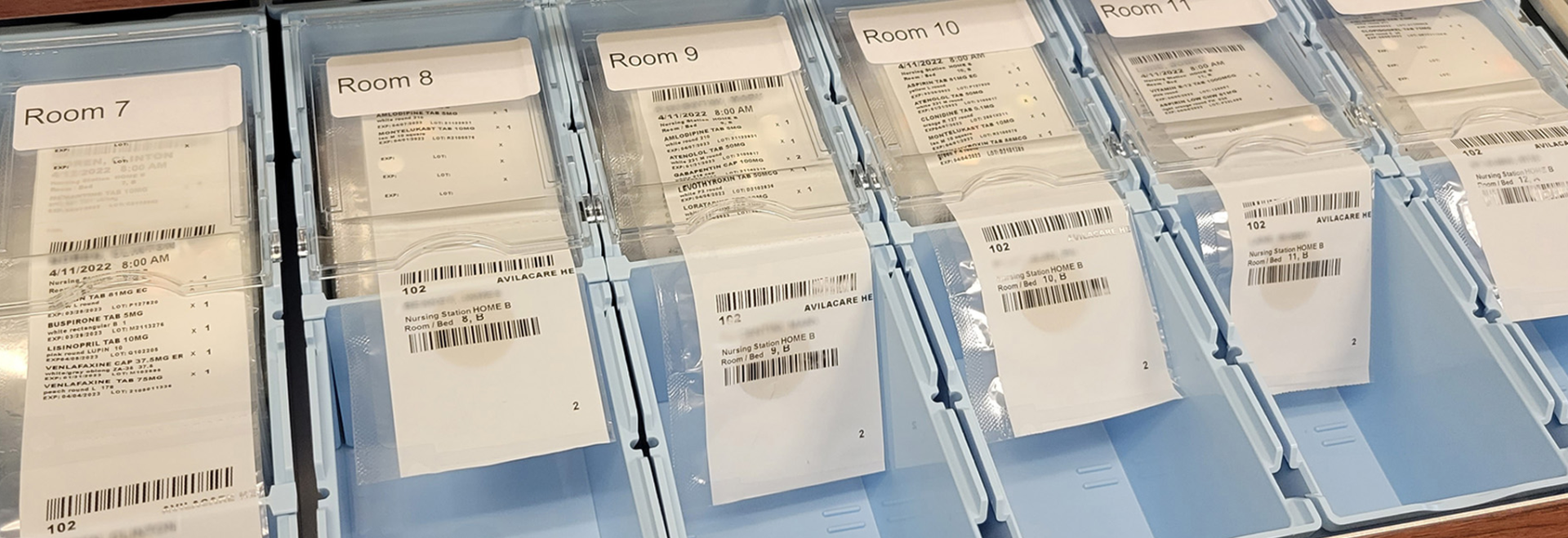
The nurses in episodes three and four of our series described the same shift, independently. When multi-dose strip pouch packaging replaced bingo cards, the medication pass process became simpler and faster — not because the nurses worked harder, but because the packaging itself did more of the organizational work for them.
The results from the first week alone included:
- Faster medication preparation times
- Easier administration and verification at the bedside
- Less stress around high-volume pass times
- More time available for direct patient interaction
That last point is the one that matters most to nursing staff — and it’s the one that matters most to facility administrators evaluating their pharmacy partnerships. Time spent managing packaging is time not spent with residents.
Advice from nurses who have been trough it
In episode five, a Nurse Director who had been through the transition shared what she would tell other nursing staff who are nervous about making the switch. Her message was direct: the benefits are undeniable, and the learning curve is shorter than expected. More than that, she framed strip pouch packaging not as something that was done to her team — but as something that made her team better at their jobs.
For pharmacy owners who have heard “our nurses won’t like it” as a reason not to move forward, this perspective is worth sharing. Peer validation from a nurse who has already made the switch carries more weight than any product demonstration.
What This Means for LTC Pharmacy Owners
If you’re an LTC or central fill pharmacy owner who has been hesitant to push strip pouch compliance packaging because of anticipated pushback from facility nursing staff, this series was made for you.
The hesitation from facilities is real. But so are the results. And the most effective thing you can put in front of a skeptical DON isn’t a spec sheet — it’s the voice of a nurse who has already been through it.
The Noritsu equipment and software used by the pharmacy in this series includes:
- NX400 and NX100 Strip Pouch Packagers — high-throughput and compact formats for LTC and central fill operations
- NV Series Medication Verifiers — automated visual verification to reduce error rates
- NexusRx Pharmacy Software — unified workflow platform connecting packaging, verification, and dispensing
- Benjamin Tray System — blister card compliance packaging for facilities with diverse resident packaging need
Watch the Full Interview Series
All six nurse interviews are now available in one place, along with product brochures for the equipment and software featured in this series, and a way to connect with our team if you’re ready to talk about making the switch at your pharmacy.
If you’re an LTC or central fill pharmacy owner facing hesitation from the facilities you serve, our team can help. We work with pharmacies across the U.S. and Canada to build the right automation strategy — and to help you win over the nursing staff who will ultimately decide whether the switch is a success.